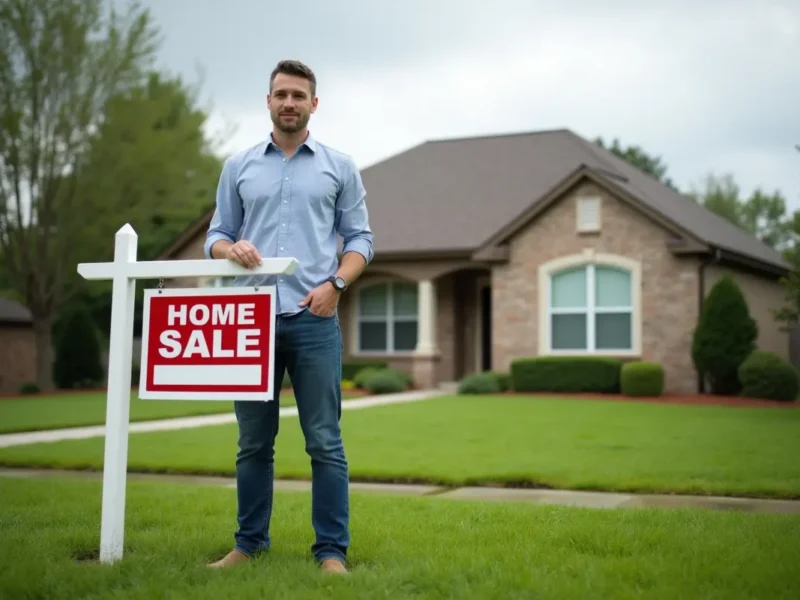

Buying a luxury home is about more than selecting the most impressive kitchen, the largest lot, or the best view. The right purchase should support your daily routine, financial comfort, privacy preferences, and long-term goals. Buyers who evaluate the full picture are better positioned to enjoy the home and protect its future resale appeal.
Local guidance can be especially valuable when comparing distinctive properties and communities. The Herrera Team, represented online through San Antonio, TX real estate experts The Agency San Antonio, serves buyers and sellers across San Antonio and surrounding South Texas communities. Its website focuses on home searches, local market insight, property valuation, and client representation, which are all useful services when a luxury purchase involves complex pricing, neighborhood comparisons, and negotiation decisions.
1. What Makes A Home “Luxury” In San Antonio?
A luxury home should deliver meaningful quality, not simply an elevated list price. Architectural distinction, durable materials, thoughtful floor plans, custom millwork, upgraded appliances, smart-home systems, security features, and professionally designed outdoor areas may all add value. Lot placement matters too. Privacy, mature trees, views, usable outdoor space, and access to preferred amenities can be more important than extra square footage.
For example, a smaller custom home near dining, medical care, schools, and major employment centers may be a stronger long-term choice than a much larger home with aging systems and a difficult daily commute. In San Antonio, buyers may compare established areas such as Alamo Heights and Terrell Hills with communities including The Dominion, Stone Oak, Boerne, and other North Side locations. Each offers a different balance of convenience, architecture, lot size, and privacy.
2. Start With The Full Cost, Not Just The List Price
Before touring homes, establish a complete ownership budget. A property that appears affordable based on its purchase price may have materially higher recurring costs than a comparable home nearby. Compare estimated monthly and annual ownership expenses for every serious option.
Costs To Include In Your Planning
- Down payment, mortgage interest, lender fees, and closing costs.
- Property taxes and potential changes after a sale or appraisal update.
- Homeowners, wind, hail, water, umbrella, and specialty insurance coverage.
- HOA dues, private security, gated-community charges, and club memberships.
- Utilities, landscaping, pool service, pest control, and cleaning.
- Repair reserves for roofs, HVAC systems, appliances, generators, and outdoor features.
3. Compare Location And Daily Lifestyle
A neighborhood’s reputation is only one part of the decision. Visit at different times of day, drive the routes you would actually use, and consider how the home functions on an ordinary weekday. Ask about traffic patterns, road access, nearby construction, airport noise, school routes, medical services, grocery options, and the availability of dining and entertainment.
Also assess the home’s immediate surroundings. A beautiful backyard may feel less private when neighboring homes are close, while a quiet street today could change if adjacent land is developed. Check flood exposure early through the FEMA Flood Map Service Center, then discuss any findings with an insurance professional and qualified local advisors.
4. Inspect The Features That Protect Long-Term Value
Luxury finishes can distract from expensive underlying issues. A thorough inspection should focus on performance, age, installation quality, and expected replacement timing. Review the roof, foundation, drainage, windows, insulation, plumbing, electrical panels, heating and cooling equipment, and exterior materials.
Specialty amenities require their own attention. Pools, spas, outdoor kitchens, retaining walls, elevators, wine rooms, solar systems, generators, surveillance systems, and automated shades can be excellent features, but they can also create substantial maintenance obligations. A general inspector may identify concerns, yet a structural engineer, roofer, pool technician, HVAC specialist, or electrician may be needed for a reliable answer.
5. Review Insurance, Taxes, And Community Rules
Request insurance estimates before removing contingencies, particularly when a home has a large roof area, extensive detached structures, high-value finishes, or prior claims. Buyers should also study current tax records and understand that future tax bills can differ from a seller’s bill. For local background on appraisal, exemptions, and tax administration, review the Bexar County property tax FAQ.
If the property is in an HOA, obtain the declaration, rules, budget, reserve information, meeting notes, and architectural guidelines early. Confirm whether future plans, such as a guest house, fence, pool renovation, short-term rental use, or exterior redesign, are permitted. Community restrictions can affect both your enjoyment of the home and its future marketability.
6. Study Market Data Before Making An Offer
Use comparable sales as a decision tool, not a shortcut. The most useful comparisons match the home’s neighborhood, lot quality, condition, age, design, square footage, and amenities. Also consider days on market, price reductions, competing inventory, and sale-to-list-price patterns.
Luxury pricing can vary widely within the same ZIP code. A view, private gate, exceptional renovation, guest casita, or rare lot may justify a significant premium. Conversely, dated mechanical systems, limited parking, poor drainage, or an awkward location can reduce value even when a home is beautifully staged.
7. Build A Strong Luxury Home Due Diligence Team
A well-coordinated team can help buyers move confidently while protecting time and capital. Depending on the property, that team may include a real estate advisor, lender or private banker, attorney, inspector, insurance professional, tax advisor, and targeted specialists. Choose professionals who communicate clearly, identify risks directly, and understand the local market rather than simply encouraging a fast decision.
8. Common Mistakes Luxury Buyers Should Avoid
- Focusing on staging and finishes while overlooking systems and structure.
- Assuming a high price guarantees future resale strength.
- Ignoring tax, insurance, maintenance, and staffing costs.
- Reviewing HOA documents too late in the process.
- Skipping permit, renovation, and drainage research.
- Making an emotional offer without relevant comparable sales.
- Underestimating commute times and lifestyle compromises.
9. A Simple Decision Checklist
- Set a total ownership budget and preserve a post-closing reserve.
- Select three to five target neighborhoods or community types.
- Compare closed sales alongside active listings.
- Verify taxes, insurance availability, HOA costs, and restrictions.
- Inspect the structure, systems, drainage, and specialty amenities.
- Confirm permits and records for major renovations.
- Evaluate privacy, commute, access, and daily lifestyle fit.
- Build the offer around evidence, not urgency alone.
Conclusion
A luxury home purchase should feel personal, but it should rest on clear facts. The best property is not always the biggest or most expensive one. It is the home that fits your lifestyle, budget, maintenance tolerance, and long-term plans. By evaluating the home, the neighborhood, ownership costs, and market evidence with equal care, buyers can make a more confident and rewarding decision.