
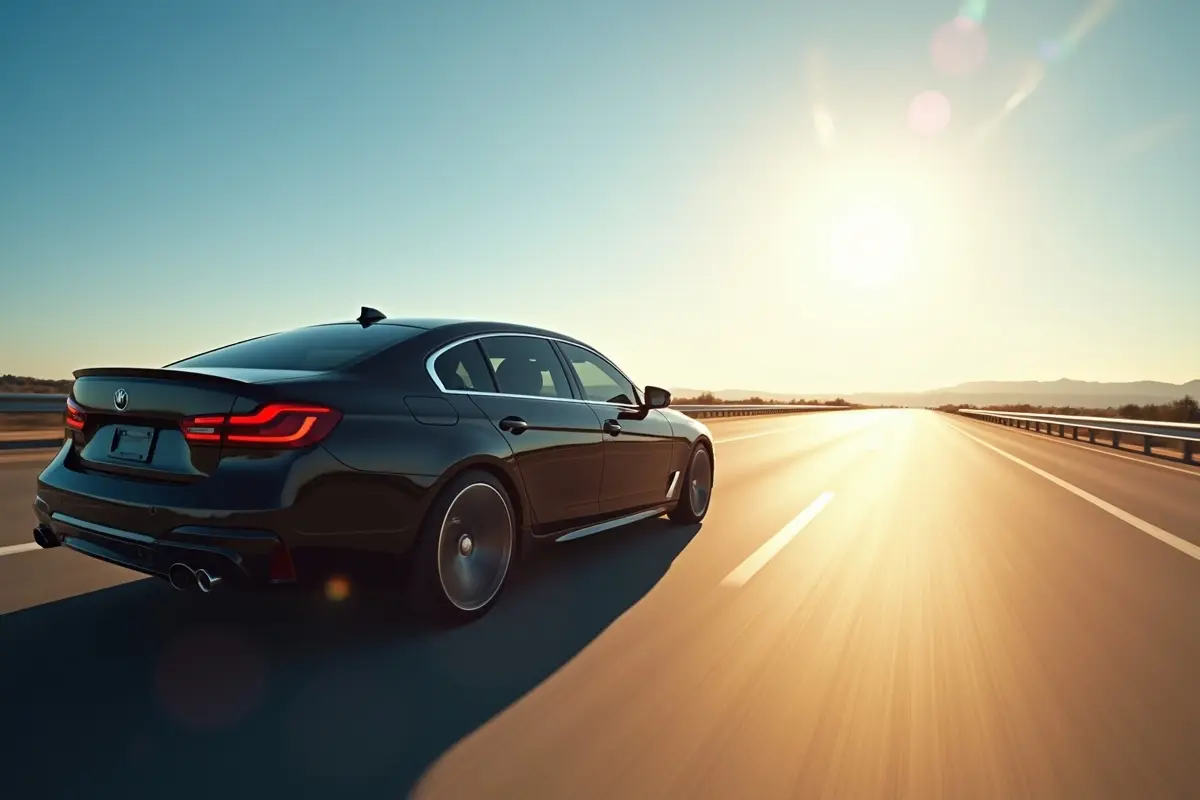
Automotive window tinting offers car owners numerous practical and aesthetic benefits. Whether you are seeking increased comfort during hot summers or enhanced vehicle security, window tinting is an investment that delivers on multiple fronts. In addition to reducing interior temperatures and blocking UV rays, window films reinforce your car’s value and driving safety. If you are considering services such as ceramic coating for cars in Fort Collins, CO, it is worthwhile to understand the full range of benefits that tinting can offer your automobile.
Tinted windows go beyond just improving visual appeal. They function as a protective barrier, shielding you and your passengers from harmful ultraviolet radiation and prying eyes, while also preventing your vehicle’s interior from fading and cracking. The cumulative effect of these advantages helps preserve your investment over the long term.
From an environmental and financial perspective, window tinting reduces strain on your car’s air conditioning system by keeping the cabin cooler, improving fuel economy. Not only does this enhance driving comfort, but it can also extend the life of your A/C system and lower your fuel costs over time.
The added safety benefits, such as preventing shattered glass injuries in the event of a collision, make window tinting a smart upgrade for families and daily commuters alike. When you search for specialties such as automotive ceramic coating near me, keep in mind that many professionals also offer premium tinting options tailored to your needs.
Contents
UV Protection
One of the primary reasons car owners choose window tinting is to block unsafe ultraviolet (UV) radiation. According to the American Cancer Society, prolonged UV exposure increases the risk of skin cancer, premature aging, and other health conditions. With high-quality window films that filter up to 99% of UV rays, you ensure better protection for everyone in your vehicle. Additionally, this protection helps prevent fading, cracking, and damage to upholstery and other interior materials.
Heat Reduction
Window tinting is highly effective at minimizing the amount of solar heat that enters the vehicle. The film blocks a significant portion of the sun’s energy, keeping the inside of your car cooler. This difference is especially noticeable during intense summer months, making every drive more comfortable while reducing your reliance on air conditioning.
Glare Reduction
Glare from sunlight, reflections, or oncoming headlights can hinder your ability to drive safely. Quality window tint deflects much of this excessive light, making it easier to concentrate on the road ahead and reducing eye fatigue, especially during sunrise, sunset, or nighttime drives. Improved visibility and reduced distractions play a key role in safer journeys for drivers and passengers alike.
Enhanced Privacy
Window tint adds a layer of privacy, preventing outsiders from looking into your vehicle. This is beneficial when leaving valuables inside your car or simply wanting a more discreet driving experience. With a lower risk of theft and greater peace of mind, privacy tinting is favored by commuters, parents, and anyone who parks in busy or urban environments.
Interior Preservation
Continuous exposure to sunlight can deteriorate the inside of your car, causing fabrics and materials to fade, weaken, or crack over time. Window tint acts as a shield, limiting the exposure of interior surfaces to direct sunlight and ultraviolet radiation. This level of protection helps preserve the look and feel of your seats, dashboard, and trims for years longer than untreated vehicles.
Improved Fuel Efficiency
As tinted windows keep your car cooler, your air conditioning does not have to work as hard to maintain a comfortable temperature. Reduced A/C usage directly impacts your vehicle’s fuel efficiency, allowing you to go farther between fill-ups and reducing wear on your climate control system. Over time, these savings add up, making tinting an energy-efficient choice.
Safety Enhancements
If your vehicle is ever involved in an accident, window film can hold broken glass fragments in place rather than allowing them to shatter throughout the cabin. This minimizes the risk of injury from sharp glass and adds another layer of protection for passengers. It is a notable safety upgrade, especially for family vehicles or those frequently used for ridesharing or carpools.
Types of Window Tint
Window films come in various types, each with distinct performance qualities. Dyed film is an economical choice that reduces glare and enhances privacy but lacks efficiency in heat reduction and may fade over time. Metalized film incorporates tiny metal particles that reflect heat and UV rays effectively, but can sometimes disrupt radio or GPS signals.
Carbon film is more durable, resists fading, and blocks significant solar energy without impacting electronic signals. Ceramic film, the most advanced option, offers superior heat and UV protection without risking signal interference, albeit at a higher price point. It is advisable to evaluate your specific needs and consult a professional when choosing the right tint for your vehicle.
Conclusion
Investing in automotive window tinting offers long-term rewards, including greater comfort and security, improved health, and savings. It can be customized to match your preferences for privacy, UV protection, and aesthetics, ensuring a safer, cooler, and more enjoyable driving experience. Consider integrating professional window tinting into your vehicle care regimen to protect its value while optimizing your time on the road.