
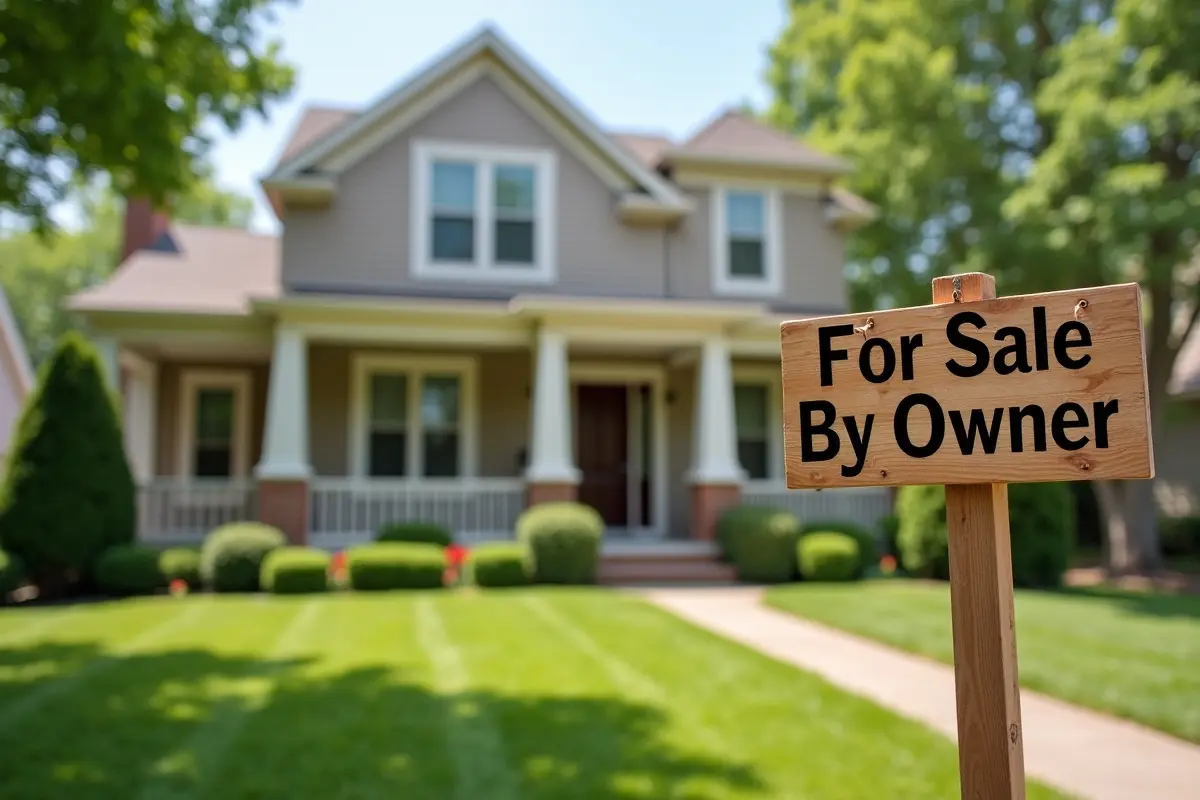
Selling your home independently, also known as “For Sale By Owner” (FSBO), allows you to potentially save thousands in commission fees while maintaining full control of the process. By taking the reins, you can customize your approach, communicate directly with buyers, and tailor your marketing to suit your needs.
However, the FSBO route comes with its own set of challenges, from pricing to legal paperwork, that require careful preparation and diligence. If you want to learn more about alternative approaches to selling, visit https://directmdcashbuyers.com/ for additional information and cash sale options.
By understanding the key steps and leveraging available tools, you can navigate the sales process more confidently and efficiently. This guide will walk you through every phase, so you can achieve a successful sale without the need for a traditional listing agent. Whether you are motivated by financial savings or a desire for hands-on involvement, the FSBO process can be an empowering experience.
Even though this path isn’t right for every seller, many homeowners find that with the right guidance, the process can be straightforward and rewarding. The following sections will break down each critical stage, from preparing your property to closing the sale, ensuring you are well-equipped for the journey ahead.
For additional support or if you would like a professional cash offer, you can reach out to Direct MD Cash Buyers, a company specializing in fast, straightforward home transactions in Maryland.
Contents
Understanding the FSBO Process
Choosing to sell your home FSBO means assuming every responsibility that a traditional real estate agent would typically handle. This includes pricing, marketing, negotiations, and legal documents. The primary incentive for most homeowners is to avoid paying agent commissions, which can range from 5% to 6%.
However, it is crucial to understand that you will need to invest time, effort, and attention to detail throughout the process. According to experts at Kiplinger, knowing the steps and your obligations ensures a smoother transaction and reduces the likelihood of costly mistakes.
Preparing Your Home for Sale
The condition and presentation of your home play a pivotal role in attracting buyers. Start by decluttering each room and removing personal items so potential buyers feel comfortable imagining themselves in the space. Address minor repairs, such as fixing leaky faucets or patching holes in walls. Sprucing up your home’s curb appeal, by mowing the lawn, planting fresh flowers, and cleaning walkways, can create a strong first impression. Investing in small upgrades often yields returns by increasing the perceived value of your property.
- Declutter and depersonalize: Make rooms appear larger and more inviting.
- Handle repairs: Fix visible issues that could turn buyers away.
- Boost curb appeal: Improve your exterior to attract interest before buyers walk through the door.
Setting the Right Price
The right price is key to generating buyer interest and getting offers. Begin with a comparative market analysis (CMA) by researching recently sold homes similar to yours in size, condition, and location. Online tools from sites like Zillow or Redfin can provide initial estimates. Consider a professional appraisal for an objective valuation, which is particularly valuable in uncertain or competitive markets. An overvalued home may languish without offers, while an undervalued property could mean lost profits.
- Conduct a CMA: Look at sale prices for similar local homes.
- Leverage online tools: Get instant estimates and market trends.
- Get an appraisal: Hire a credentialed appraiser if needed.
Marketing Your Property
To capture buyer attention in a crowded real estate market, invest in high-quality photos and videos that highlight your home’s unique features. List on major websites and FSBO platforms, and share your property on social media for even greater reach. Yard signs and flyers remain effective in targeting local interest, especially if your community sees frequent foot or car traffic. The Realtor.com selling guide outlines proven techniques for maximizing your listing’s exposure.
- Professional photography: Showcase your home in the best light.
- Online listings: Reach a wide audience with key details and visuals.
- Social media: Harness the power of sharing and word-of-mouth.
- Traditional marketing: Use signs and flyers to pique curiosity locally.
Handling Showings and Inquiries
Be ready to respond quickly to questions and to accommodate a variety of buyer schedules for home showings. Keeping your home continually clean makes it easy to say yes to last-minute tours. Offer professionally printed brochures with details about your property and the neighborhood; this helps buyers remember your home and its features afterward. Preparation and flexibility are critical for turning interest into offers.
- Be flexible: Make it easy for potential buyers to visit.
- Stay clean and organized: Present a well-maintained home at all times.
- Provide handouts: Distribute information on your home and the area.
Negotiating and Closing the Sale
When offers come in, take time to understand each buyer’s motivations and priorities. The ability to negotiate respectfully and openly can help you reach a favorable agreement. Be prepared to make reasonable concessions, whether related to price, closing date, or repair requests. It is a good idea to have a real estate attorney review your contracts to protect your interests and ensure compliance with all legal requirements.
- Know buyer goals: Learn why buyers are considering your property.
- Compromise when needed: Flexibility can close deals more quickly.
- Hire a real estate attorney: Get professional help for contracts and disagreements.
Legal Considerations and Disclosures
Being transparent about property defects and required disclosures protects both you and the buyer from legal disputes. Review state and local disclosure laws, and provide all relevant documents. Understanding standard contract terms and obligations will prepare you for negotiations and ensure a legal, smooth closing. Work with a reputable title company to oversee documentation and secure your transaction.
- Disclose known issues: Be forthright about any defects.
- Understand your contracts: Familiarize yourself with every requirement.
- Coordinate closing: Work closely with title professionals and your attorney.
When to Consider Professional Help
If the FSBO process feels overwhelming or if unique complications arise, do not hesitate to bring in professional assistance. This could include time constraints that prevent you from managing showings, properties with structural or legal complexities, or simply stubborn market conditions. Professional help can range from hiring an agent to enlisting a discount brokerage or a specialized cash buyer.
- Lack of time: Selling a home is a commitment.
- Complicated transactions: Some sales require deeper expertise.
- Difficult market: Experts can help when offers are scarce.
By following these guidelines, you can take a confident, organized approach to selling your home without a real estate agent and maximize your chances for a successful, stress-free sale.