
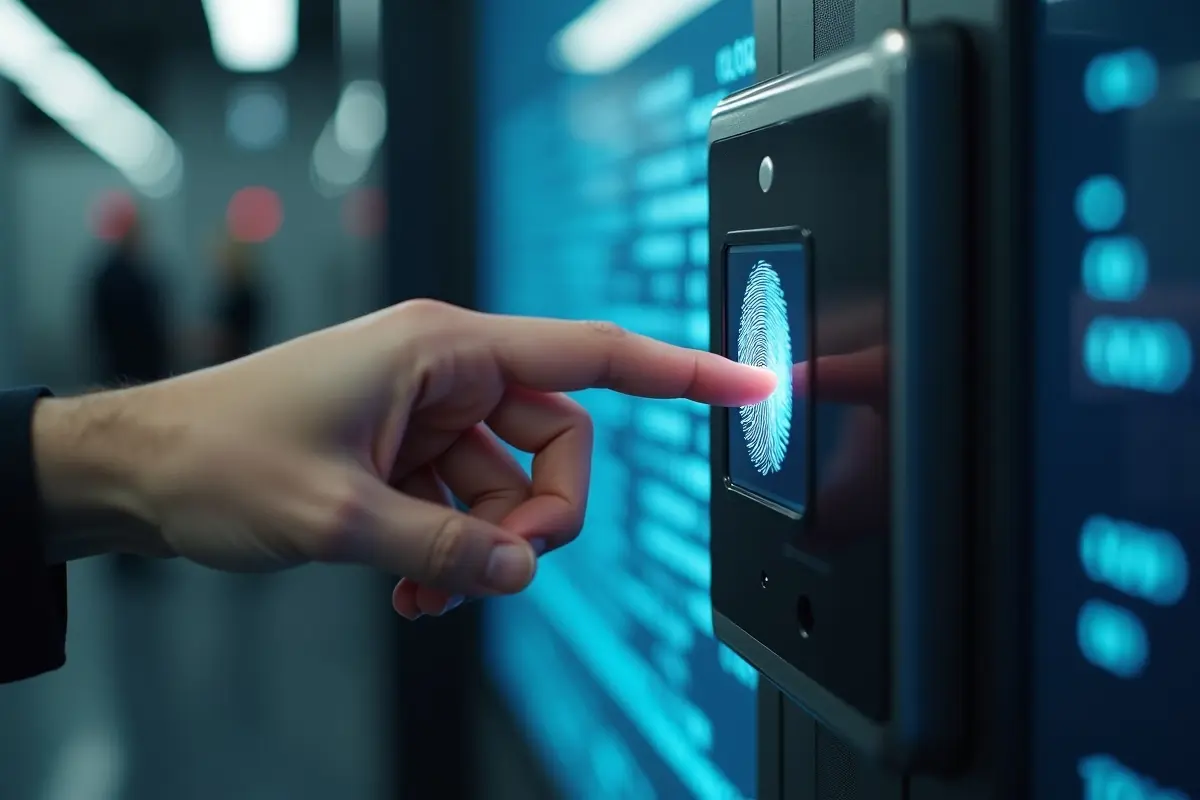
Fingerprint background checks have rapidly evolved from a method primarily used by law enforcement into a benchmark for ensuring safety, security, and trust across numerous industries. As concerns around identity theft, workplace safety, and public security continue to rise, the demand for reliable screening methods grows stronger. Today, a biometric background check with fingerprints is recognized for its ability to confirm identities and uncover crucial information in situations where a standard background check might fall short.
This article explains the modern applications of fingerprint background checks, ranging from employment to global adaptations, and highlights the latest technological advancements that drive this field forward. Whether managing sensitive information, hiring in regulated sectors, or volunteering with vulnerable communities, the value of fingerprint-based screening measures continues to expand and evolve in a world where verification is crucial.
Contents
Employment Screening
Organizations today face complex employment-related risks, making robust identity verification essential. Fingerprint background checks support companies by providing a more concrete link between a candidate and their criminal history (if any) than traditional name-based checks.
This method is especially vital for sectors such as financial services, government, defense contractors, and transportation, where compliance standards and security regulations are most stringent. According to the Society for Human Resource Management, fingerprint checks provide greater accuracy, reducing the risk of hiring individuals with undisclosed histories or mismatched identities.
Volunteer Organizations
Volunteer-driven organizations play a critical role in providing care and support to children, the elderly, and other vulnerable populations. To ensure the safety and well-being of those they serve, many organizations require thorough fingerprint background checks as part of the volunteer screening process.
These checks help verify the applicant’s identity, uncover any criminal history, and assess their suitability for sensitive roles. Particularly in schools, hospitals, and community centers, these screenings not only reduce potential risks but also enhance the organization’s credibility, reassure families, and build public trust in the programs and services offered.
Licensing and Certifications
Regulatory bodies responsible for issuing professional licenses, such as those for educators, healthcare workers, law enforcement personnel, and security officers, require fingerprint background checks as a standard part of the application.
The procedure helps ensure that only individuals meeting legal and ethical standards can practice. In many states, boards of professional licensing stipulate that no license will be granted until a fingerprint-based background check returns satisfactory results. This process safeguards both the granting authorities and the public.
Education Sector
Educational institutions rely on fingerprint checks to protect students, especially minors, from individuals who may pose a threat to gain employment or volunteer at schools and on-campus programs. In the United States, background screening policies for teachers and staff, including fingerprint checks, are mandated in almost every state.
This measure helps maintain a safe and secure learning environment. More information about fingerprint requirements in education can be found in reputable sources such as the New York State Education Department, which covers industry-wide standards and emerging concerns in school safety.
Healthcare Industry
Health systems and facilities depend on fingerprint background checks to verify the identities and professional backgrounds of doctors, nurses, and support staff. Given the sensitive nature of the work and the vulnerability of patients, quick and reliable verification is essential to minimize risk and ensure safety.
The Joint Commission and many state health departments require fingerprinting as part of the credentialing process, helping maintain community confidence in healthcare institutions. This method also helps comply with federal and state regulations regarding patient and staff safety.
Technological Advancements
The past decade has brought significant innovation to fingerprint background checks. Traditional ink-and-paper methods, often slow and error-prone, are being replaced by digital fingerprint-scanning devices. Modern systems capture high-resolution images in seconds and securely transmit data to background check agencies and law enforcement databases for quick assessment. For example, the New York City Police Department introduced digital fingerprint scanning to speed up and improve the accuracy of checks, increasing identification reliability and reducing processing time (see: NYPD Digital Fingerprint Scanning Devices).
Digital fingerprinting not only streamlines the hiring and credentialing process but also helps organizations meet compliance standards and adapt to evolving regulatory landscapes. The availability of mobile fingerprint scanners is especially helpful for urgent screenings and field operations, making it easier to verify identities anytime and anywhere.
Global Implementation
Countries around the world are adopting fingerprint background checks to improve their security and anti-fraud measures. For instance, in South Africa, government departments use biometric systems for service delivery and to prevent fraud, improving access and transparency across a range of public functions (Biometrics Use by the South African Government).
Similarly, the European Union and Asian governments have rolled out biometrics in immigration, work visas, and national identification programs to bolster regulated industries and fight identity-related crime.
These systems help governments and organizations keep better records, support law enforcement initiatives, and minimize opportunities for identity fraud at scale. Globally, fingerprint background checks are now among the most reliable and non-intrusive mechanisms for safeguarding citizens, employees, and critical infrastructure.
Conclusion
Fingerprint background checks have evolved well beyond their original use in criminal investigations to become a critical component of contemporary security and identity verification. They now play a central role in safeguarding workplaces, volunteer organizations, educational institutions, healthcare facilities, professional license programs, and even international travel systems.
Advances in biometric technology, coupled with heightened awareness of personal safety and regulatory compliance, have expanded their application and reliability. By providing accurate, tamper-resistant identification, fingerprint-based screenings help prevent fraud, protect vulnerable populations, and maintain organizational integrity. As security demands continue to grow, these checks remain indispensable tools for building trust, ensuring accountability, and enhancing overall public and institutional safety.