
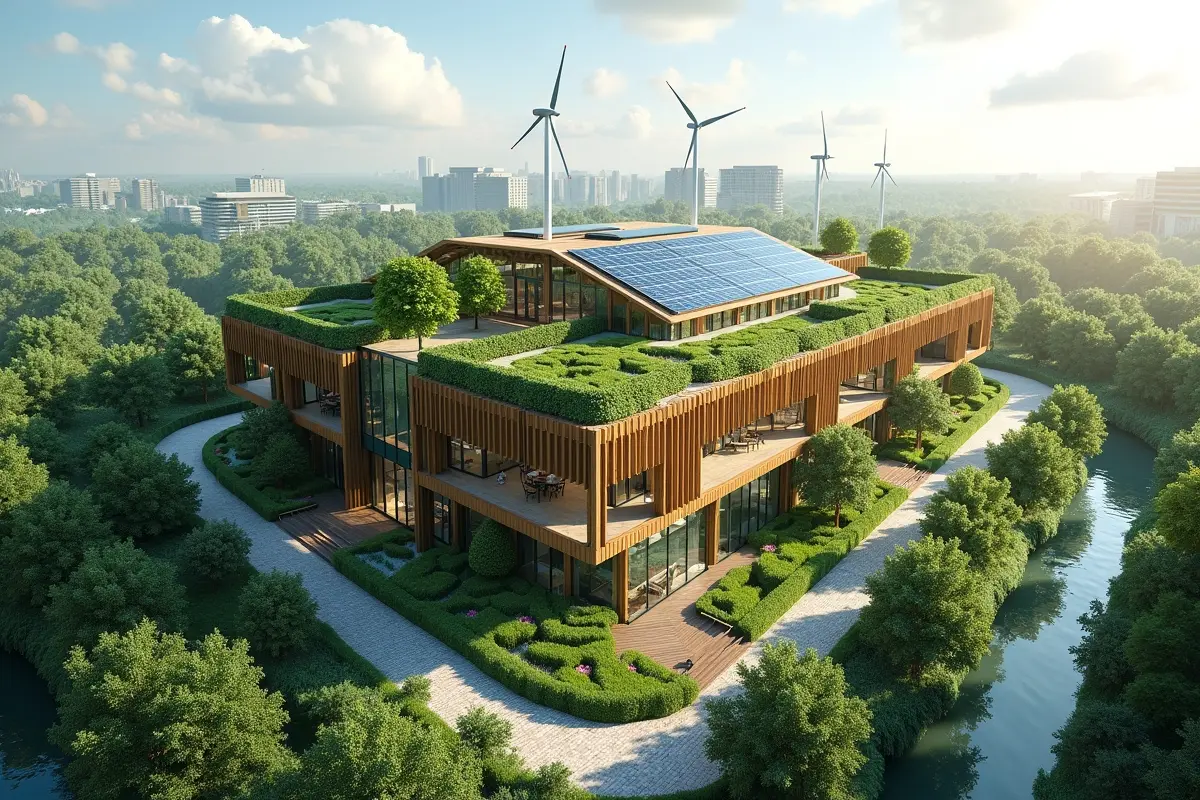
The landscape of sustainable architecture is undergoing a remarkable transformation as innovative practices and design philosophies become central to modern construction. More firms and developers are recognizing the urgent need for environmentally responsible solutions that address both ecological impact and the health of building users. For professionals seeking local expertise, architects in Scottsdale, AZ, at GH2 Architects deliver comprehensive architectural services rooted in decades of industry experience.
GH2 Architects has established itself as a leader in sustainable design and planning, with a portfolio highlighting award-winning projects in the American Southwest and beyond. Their deep ties to community-focused, resource-efficient building make them a standout choice for Scottsdale and surrounding area residents eager to embrace forward-thinking sustainability.
As urbanization accelerates, the call for greener architectural practices has grown louder. The use of innovative frameworks and eco-friendly materials means the built environment can thrive in harmony with nature. With legislation and consumer demand driving sustainable solutions, architects today have more resources and knowledge than ever to create buildings that are attractive, durable, and beneficial to people and the planet alike.
Contents
- 1 Utilizing Recycled Materials in Construction
- 2 Incorporating Biophilic Design Elements
- 3 Implementing Energy-Efficient Technologies
- 4 Advancing Water Conservation Strategies
- 5 Embracing Modular and Prefabricated Construction
- 6 Promoting Adaptive Reuse of Existing Structures
- 7 Case Studies of Sustainable Architectural Projects
- 8 Conclusion
Utilizing Recycled Materials in Construction
Incorporating recycled materials into building projects is a powerful way to reduce landfill waste and preserve resources. Modern projects often feature reclaimed steel, timber, glass, and innovative composites, helping to close the loop on material lifecycles. Notably, the Tecla House in Italy serves as a groundbreaking example by utilizing 3D-printed local clay. Structures like this demonstrate how locally-sourced and repurposed materials can reduce the carbon footprint of construction while encouraging architectural creativity.
Incorporating Biophilic Design Elements
Biophilic design directly responds to our innate need for a connection to nature by infusing indoor spaces with natural elements. This can be achieved through living green walls, expansive daylighting, water features, and strategic plant integration. Research indicates these interventions boost mental health, productivity, and overall satisfaction among occupants.
Cities and businesses worldwide are turning to these principles to create healthier spaces that feel restorative and productive. For instance, green roofs and atria full of native plants contribute both aesthetic value and tangible improvements in air quality and thermal regulation.
Implementing Energy-Efficient Technologies
Energy efficiency is at the heart of sustainable architecture. The evolution of smart systems and renewable energy solutions is dramatically reducing the emissions associated with building operations. Solar panels, geothermal heating, and advanced building management software are increasingly common in both new and retrofitted structures. A compelling example is the Solar Umbrella House in Los Angeles, which powers nearly all its needs with solar energy. Innovations in insulation, glazing, and passive design also ensure comfort while minimizing energy waste.
Advancing Water Conservation Strategies
As water scarcity becomes an increasingly global issue, forward-thinking architectural design incorporates robust water-conservation strategies. Rainwater harvesting, greywater recycling systems, and low-flow fixtures are increasingly being installed, especially in arid climates. These measures ensure buildings can operate with a reduced environmental footprint by reclaiming and reusing water for landscaping and non-potable needs, all while relieving stress on municipal water supplies. Green infrastructure, such as permeable paving and bioswales, can also help cities better manage stormwater and mitigate flooding.
Embracing Modular and Prefabricated Construction
Modular and prefabricated construction has swiftly grown in appeal due to its efficiency and sustainability benefits. By manufacturing building components off-site, waste is minimized, and on-site construction timelines are shortened, all while maintaining high quality. The Tasmanian House initiative in Australia is an illustrative example, offering open-source blueprints and encouraging the use of traditional craftsmanship and renewable materials. Modular design also allows for flexibility, easy expansion, and adaptation to a range of sites and climates.
Promoting Adaptive Reuse of Existing Structures
Adaptive reuse takes sustainability a step further by reimagining and repurposing existing buildings. Instead of demolition, structures are transformed for new uses, conserving energy and historic value. The Kendeda Building at Georgia Tech is a showcase of this practice, achieving rigorous certifications for its green features and innovative use of recycled resources. Through adaptive reuse, communities can maintain their cultural heritage while advancing contemporary needs and minimizing environmental harm.
Case Studies of Sustainable Architectural Projects
Best-in-class sustainable architecture can be seen across a range of global case studies. The Solar Umbrella House not only exemplifies residential solar integration but highlights how passive design and technology can coalesce for near-complete self-sufficiency. Similarly, the Tecla House’s use of natural local clay and 3D printing demonstrates how architectural innovation can tackle both ecological and affordability challenges. Through these projects, it is clear that blending new technologies with design ingenuity leads to compelling, sustainable outcomes.
Conclusion
The future of sustainable architectural design is dynamic and hopeful. From cutting-edge recycled materials to truly adaptive spaces, the industry is fostering creativity with responsibility. Architects, developers, and communities who champion these transformative trends are not only safeguarding natural resources but also improving daily living standards for generations to come. Continued investment in green design will be fundamental as we move toward a resilient, resource-conscious built environment.