
Running a winery means watching every dollar, and one of the biggest recurring expenses is packaging. Wine bottles might seem simple enough, just glass containers, right? But the way wineries purchase them can mean the difference between healthy profit margins and constantly wondering where all the money went.
The truth is, most new winery owners underestimate just how much their bottle-buying strategy affects their bottom line. They focus on the wine itself (as they should), but then treat packaging as an afterthought. That approach costs them, sometimes significantly.
The Real Numbers Behind Bulk Purchasing
Here’s where the math gets interesting. A single wine bottle purchased in small quantities might cost anywhere from $1.50 to $3.00 depending on style and quality. That same bottle, when ordered in bulk quantities of several thousand or more, often drops to $0.75 to $1.50. That’s not a small difference, it’s potentially cutting your per-bottle cost in half.
For a winery producing 5,000 cases annually (that’s 60,000 bottles), saving even $0.50 per bottle adds up to $30,000 in annual savings. For smaller operations doing 1,000 cases, that’s still $6,000 back in the budget. That kind of money can fund a new piece of equipment, cover marketing expenses, or simply improve cash flow during the slow months.
The savings don’t stop at the unit price either. Shipping costs follow similar patterns. Ordering bottles in smaller batches means paying freight charges multiple times throughout the year. Each shipment incurs fuel surcharges, handling fees, and minimum shipping costs that eat into margins. Consolidating orders into one or two larger shipments spreads those fixed costs across many more units.
When Bulk Buying Actually Makes Sense
Not every winery should immediately jump into purchasing pallets of bottles. There’s a calculation involved, and it depends on several factors.
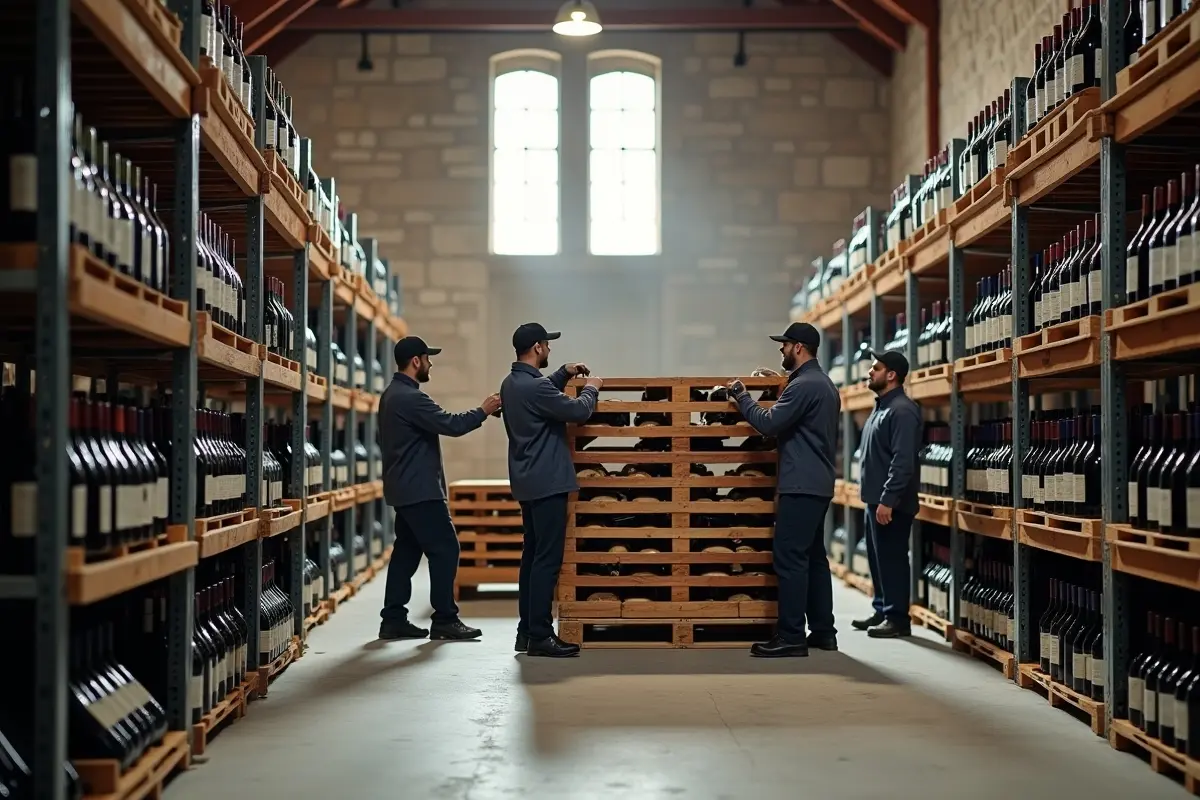
Storage capacity is the first consideration. Wine bottles take up substantial space, and they need to be stored properly to avoid breakage. A pallet of bottles typically holds around 1,000 to 1,400 bottles depending on size and configuration. Wineries need secure, climate-controlled (or at least stable) storage that won’t expose bottles to temperature swings or moisture. Those without adequate space might spend any savings on warehouse rental.
Production volume matters too. A winery bottling 500 cases per year might struggle to justify buying a year’s worth of bottles upfront. The capital tied up in inventory could be better used elsewhere. But once production hits 1,000 to 2,000 cases annually, the economics shift dramatically. Many wineries find that sourcing bulk wine bottles becomes the obvious choice once they reach consistent production levels that justify the storage requirements and upfront investment.
Cash flow timing also plays a role. Buying in bulk means paying for several months’ worth of bottles at once. For wineries with seasonal revenue (most of them), this requires planning around when money comes in from sales versus when production expenses hit.
The Hidden Costs People Forget
Most winery owners focus on the per-bottle price when comparing suppliers, but that’s only part of the equation. Minimum order requirements, payment terms, and delivery schedules all affect the true cost.
Some suppliers offer better pricing but require massive minimum orders that smaller wineries can’t accommodate. Others provide flexible ordering but at premium prices that eliminate most savings. Finding the sweet spot, where volume discounts kick in but order sizes remain manageable, takes research.
Quality consistency becomes more critical with bulk orders too. Ordering 500 bottles and discovering a quality issue is frustrating but manageable. Receiving 10,000 bottles with the same problem creates a genuine crisis. This is where supplier reputation and quality control processes matter enormously. Cheap bottles aren’t a bargain if they break during filling or show visible defects that hurt brand perception.
Lead times also factor in. Bulk orders typically require longer lead times, sometimes 4-8 weeks or more depending on bottle style and supplier capacity. Wineries need to plan their production schedules around these timelines, which requires more sophisticated planning than calling a supplier two weeks before bottling day.
What Smart Wineries Do Differently
Successful wineries that buy in bulk treat packaging as a strategic decision rather than a tactical one. They plan their bottle purchases months in advance, coordinating with harvest schedules and anticipated bottling dates. This advance planning allows them to take advantage of the best pricing without getting caught short.
They also standardize where possible. Using the same bottle style across multiple wines, differentiated only by labels, reduces complexity and increases buying power. A winery using three different bottle styles needs to split their annual volume across three orders. One using a single style can consolidate that volume for better pricing.
Many also form buying cooperatives with other small wineries in their region. By pooling orders, several small producers can access the volume discounts typically reserved for larger operations. This requires coordination and trust, but the savings often justify the extra effort.
Making the Transition
Switching from small-batch ordering to bulk purchasing doesn’t happen overnight. Most wineries do it gradually, starting with a single vintage or wine while maintaining their existing approach for others. This lets them test the logistics and storage requirements without committing completely.
The first bulk order often feels risky—seeing that many bottles arrive at once can be overwhelming. But after experiencing the cost savings and the convenience of having inventory on hand when needed, most winery owners wonder why they waited so long to make the change.
The key is running the actual numbers for your specific situation. Calculate current per-bottle costs including shipping, then get quotes for bulk quantities. Factor in storage costs and the time value of money tied up in inventory. The math usually speaks for itself, but the specific break-even point varies by operation size and circumstances.
For wineries serious about building sustainable businesses, bulk bottle purchasing eventually becomes less of a question and more of an inevitability. The cost advantages are simply too significant to ignore once production reaches a certain scale. The wineries that figure this out early, and build their operations around it, tend to be the ones still thriving years later while others struggle with margins that never quite work.